Why Collectors Are Looking at the Neo-Vintage “Root Beer” Again

Rolex GMT-Master II Ref. 16713

For years, the Rolex GMT-Master II Ref. 16713 lived in the shadow of its all-steel siblings. Collectors chasing the “Pepsi” or “Coke” GMT-Master II usually overlooked the two-tone model, viewing it as the dressier alternative rather than the enthusiast’s choice.

That perception has changed. As interest in neo-vintage Rolex continues to grow, the 16713 has emerged as one of the most distinctive references in the GMT-Master II lineage—not because it’s rare, but because it offers qualities modern Rolex simply doesn’t manufacture anymore.

Produced from the late 1980s until the mid-2000s, the 16713 combines aluminum bezel inserts, slimmer case proportions, tritium-era character, and solid mechanical reliability in a package that feels unmistakably of its time. Rather than trying to replicate vintage aesthetics, it is a product of the transitional period between vintage Rolex and today’s ceramic-bezel generation.

Here’s why collectors continue to rediscover the reference.
Aluminum Bezels Develop Character That Ceramic Cannot

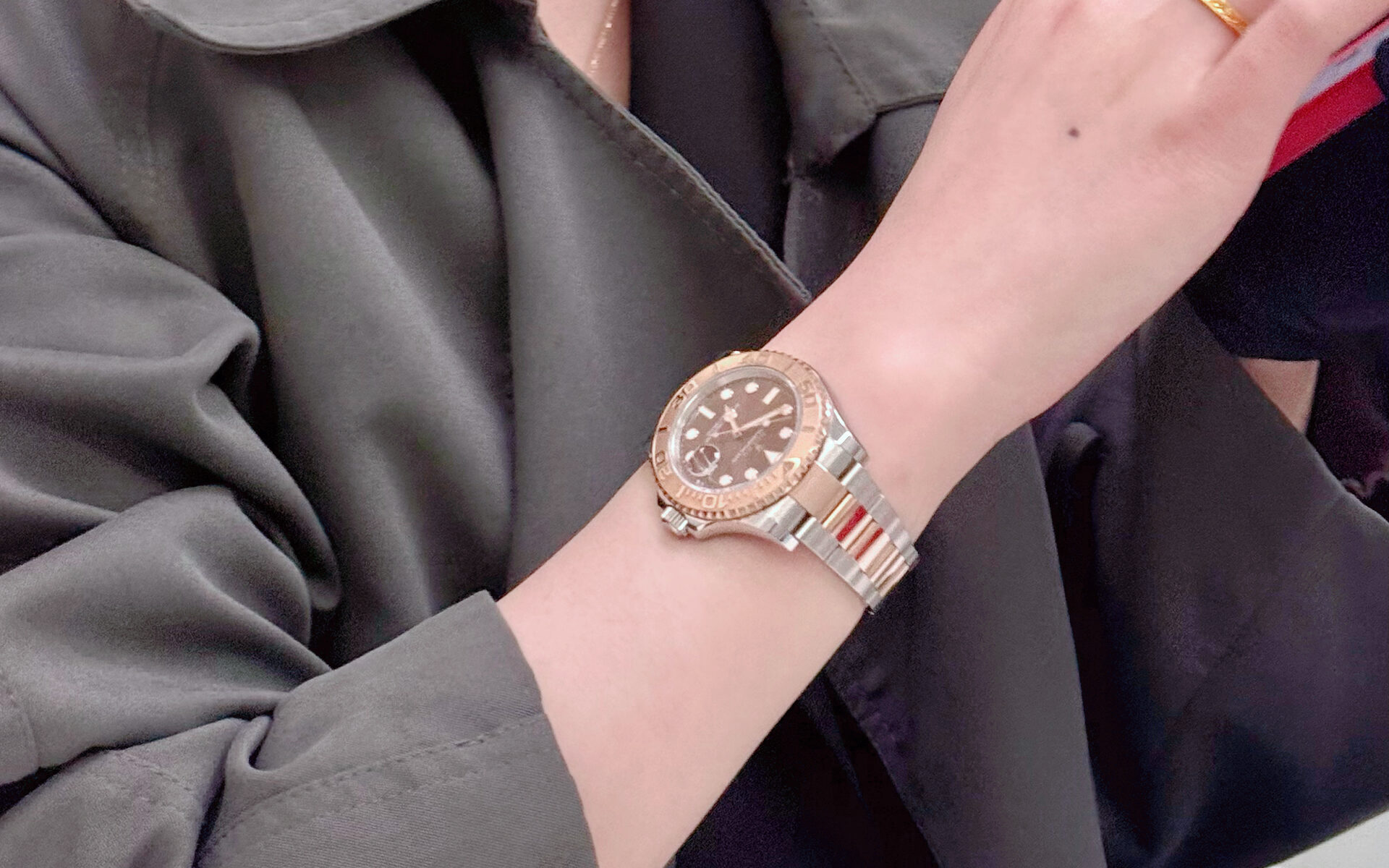
Close-up of a Rolex GMT-Master II Ref. 16713 showing its brown sunburst dial and two-tone aluminum bezel.

One of the defining features of the 16713 is its anodized aluminum bezel insert.

Modern Rolex GMT-Master II models use Cerachrom, a proprietary ceramic designed to resist scratches, fading, and UV damage. From a durability standpoint, it’s an outstanding material. A ceramic bezel should retain its original appearance for decades under normal wear.

Aluminum behaves differently.

Years of sunlight, daily wear, and environmental exposure gradually change its appearance. Brown inserts can soften into lighter caramel tones, gold numerals often lose some of their brightness, and heavily worn examples sometimes develop the muted “ghost” effect that collectors associate with well-traveled vintage Rolex watches.

These changes aren’t manufactured or predictable. Every watch ages according to how it has been worn, which means no two examples look exactly alike.

Whether that aging is desirable is ultimately a matter of taste. Some collectors prefer the permanence of ceramic, while others value the individuality that naturally develops on aluminum bezels. The recent interest in neo-vintage Rolex suggests the latter view has gained considerable momentum.

Dial Variations Reward Careful Collecting

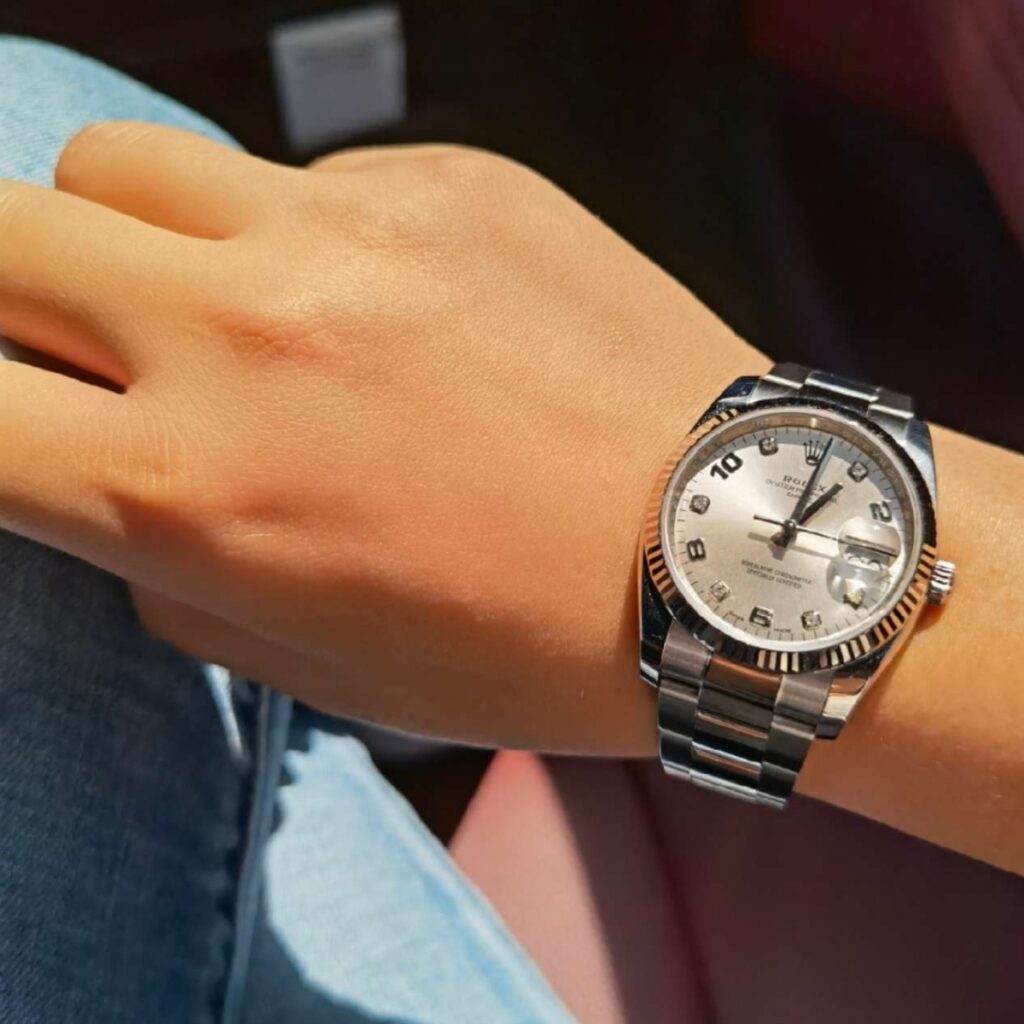
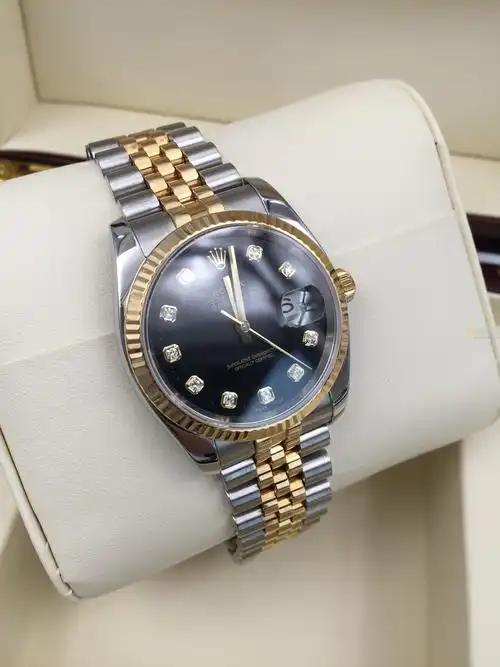
Rolex GMT-Master II Ref. 16713 with a factory Serti dial featuring diamond and ruby hour markers.

The 16713 remained in production for well over a decade, giving Rolex time to introduce several dial variations that have become collectible in their own right.

Early “Nipple” Dials

Some early examples inherited the raised gold hour markers found on the preceding GMT-Master Ref. 16753. Collectors commonly refer to these as “nipple dials” because of their rounded applied markers.

They reflect the bold design language of 1980s Rolex, pairing polished yellow gold accents with the warm tones of the two-tone case. While the nickname is informal, it has become standard terminology among vintage Rolex enthusiasts.

Factory Serti Dials

At the opposite end of the spectrum are factory Serti dials.

These feature diamond hour markers combined with sapphire or ruby accents set directly by Rolex. Available on slate, champagne, and other dial colors depending on production year, Serti dials represent one of the most luxurious interpretations of the GMT-Master II.

Their appeal has fluctuated over time. During the minimalist trends of the 2010s, they attracted a relatively niche audience. More recently, however, collectors have shown renewed interest in highly expressive 1980s and 1990s designs, helping factory Serti models regain attention.

That doesn’t necessarily mean every Serti dial will outperform standard dials financially. Condition, originality, provenance, and overall market demand remain far more important than any single configuration.

The Case Proportions Many Enthusiasts Still Prefer

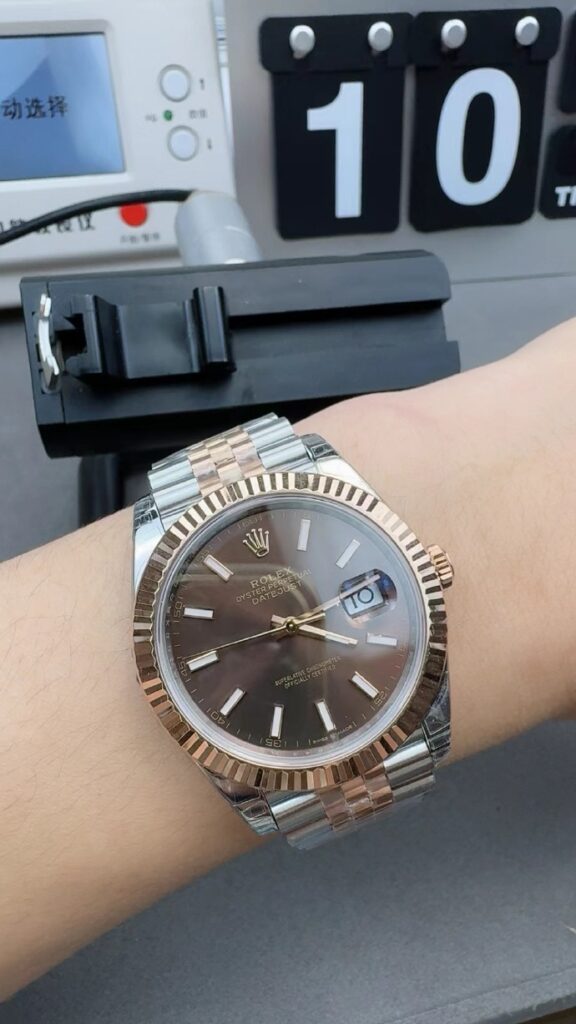
Rolex GMT-Master II Ref. 16713 on a two-tone Jubilee bracelet.

Although the official case diameter measures 40 mm, the 16713 wears noticeably differently from today’s GMT-Master II references.

The slimmer lugs, thinner crown guards, narrower bracelet profile, and lighter overall construction give the watch a more balanced feel on the wrist. It slips comfortably beneath a shirt cuff while retaining enough visual presence for casual wear.

Many collectors describe five-digit Rolex sports models as occupying a transitional sweet spot. They maintain much of the elegance associated with earlier references while incorporating practical improvements that make them easy to wear every day.

Mechanically, the 16713 is powered primarily by the replica Rolex Calibre 3185, introduced in the late 1980s. One of its defining features is the independently adjustable local hour hand, allowing travelers to change time zones without stopping the movement—a capability that remains central to the GMT-Master II today.

The movement has earned a strong reputation for durability and long-term serviceability, although, like any mechanical caliber, performance depends heavily on maintenance history rather than age alone.

Oyster or Jubilee? The Bracelet Changes the Personality

The bracelet plays a surprisingly large role in how the 16713 feels.

An Oyster bracelet emphasizes the GMT-Master II’s origins as a professional travel watch. Its three-link construction gives the watch a more purposeful appearance and pairs naturally with casual clothing.

The Jubilee bracelet creates a noticeably different impression.

Its five-link design reflects light more dramatically, softening the transition between steel and yellow gold and giving the watch a more refined presence. Combined with the warm brown dial found on many 16713 examples, the Jubilee can make the watch feel almost like vintage jewelry without sacrificing everyday practicality.

Neither bracelet is objectively better. Most collectors simply choose the version that best fits how they intend to wear the watch.

Why the 16713 Has Become More Noticeable in Today’s Market

Historically, collectors tended to prioritize stainless-steel GMT-Master II references such as the Ref. 16710, leaving two-tone models available at comparatively lower prices.

First, collectors have broadened their appreciation beyond steel sports watches, leading to renewed interest in two-tone Rolex references that were once considered unfashionable.

Second, neo-vintage watches have become increasingly attractive to buyers seeking slimmer cases, aluminum bezels, and tritium-era aesthetics without moving fully into vintage ownership.

Finally, the 16713 occupies an interesting position within the Rolex catalog. It offers genuine 18k yellow gold alongside many of the characteristics enthusiasts associate with classic five-digit references, yet it has often traded below comparable all-steel GMT-Master II models.

Whether that relationship continues will depend on broader market conditions. Like any collectible, prices fluctuate with supply, demand, and collector preferences, so future appreciation should never be treated as guaranteed.

For many buyers, the strongest argument for the 16713 isn’t investment potential—it’s that the watch offers a combination of materials, proportions, and aging characteristics that modern Rolex no longer produces.

Is the Rolex 16713 Right for You?

The 16713 appeals to a specific type of collector.

If you prefer modern ceramic bezels that remain virtually unchanged after years of wear, or you want the understated appearance of an all-steel sports watch, newer GMT-Master II references may suit you better.

Its aluminum bezel develops its own character over time. Its slimmer case reflects an era before modern Rolex proportions became more substantial. And its combination of steel, yellow gold, and warm dial colors gives it a personality that’s difficult to replicate elsewhere in the GMT-Master II family.

That’s ultimately why the reference continues to attract attention. It isn’t trying to be the newest GMT-Master II, nor the rarest. Instead, it represents a period when Rolex was blending vintage design language with the mechanical improvements that define the modern travel watch—a combination that many collectors now view as one of the brand’s most appealing eras.
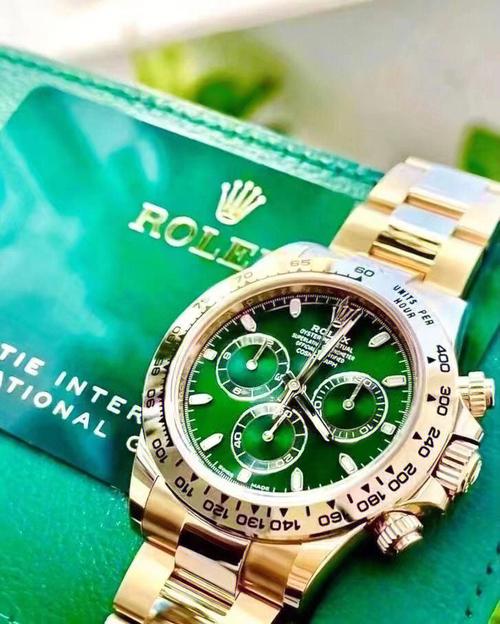
If you’ve spent any time following the pre-owned watch market, you’ve probably noticed a recurring theme: many experienced collectors aren’t chasing the newest Rolex releases. Instead, they’re returning to references produced from the late 1980s through the early 2000s.

Known collectively as the five-digit Rolex generation, these watches occupy an unusual place in the brand’s history. They’re modern enough to wear every day yet old enough to retain many design traits that disappeared as Rolex moved toward contemporary manufacturing.

For buyers looking for a single watch that balances durability, character, and long-term collectability, five-digit references have become one of the most compelling areas of the Rolex catalog.

Why Five-Digit Rolex Models Still Stand Out

Rolex GMT-Master II Ref. 16710 with a naturally faded “Pepsi” aluminum bezel.

Five-digit references arrived during one of Rolex’s most significant periods of evolution. The company was modernizing its movements, improving water resistance, and introducing sapphire crystals across much of the professional lineup, while still retaining many visual characteristics associated with vintage Rolex.

The result is a generation of watches that feels transitional in the best possible way.

They Age Naturally

One of the biggest differences between five-digit Rolex models and current production references is the use of aluminum bezel inserts on sports watches such as the Submariner and GMT-Master II.

Unlike today’s ceramic bezels, aluminum gradually develops signs of wear. Colors soften, edges become smoother, and prolonged UV exposure can create subtle fading that varies from one watch to another.

Some collectors actively seek heavily faded examples, while others prefer watches that retain their original colors. Neither approach is inherently better, but both highlight something ceramic intentionally avoids: visible aging.

The Proportions Feel More Traditional

Rolex cases have evolved significantly over the past two decades.

Five-digit sports models generally feature slimmer lugs, narrower crown guards, and lighter bracelets than many of their modern successors. Although most still measure 40 mm in diameter, they often wear smaller because of their overall proportions.

For many enthusiasts, that translates into greater versatility. A five-digit Submariner or GMT-Master II can feel equally comfortable beneath a dress shirt cuff or with casual weekend clothing.

This preference is subjective—some buyers appreciate the more substantial presence of contemporary Rolex—but it explains why earlier references continue to attract dedicated followings.

Modern Enough for Everyday Wear

Despite their vintage appearance, most five-digit Rolex watches remain highly practical daily companions.

Compared with earlier four-digit references, they introduced several improvements that significantly reduced the compromises traditionally associated with vintage ownership.

These include:

  • Scratch-resistant sapphire crystals instead of acrylic.
  • Improved automatic movements with proven long-term reliability.
  • Strong water resistance suitable for normal daily use, provided the watch has been properly maintained.
  • Excellent parts availability through experienced independent watchmakers and Rolex service channels, although availability can vary by reference and region.

For many buyers, this combination is what makes five-digit Rolex models so appealing. They deliver much of the charm associated with vintage collecting without requiring the same level of caution or specialized ownership.

Five References That Define the Era

While Rolex produced numerous five-digit references, a handful have become benchmarks for collectors.

Rolex Submariner Date Ref. 16610

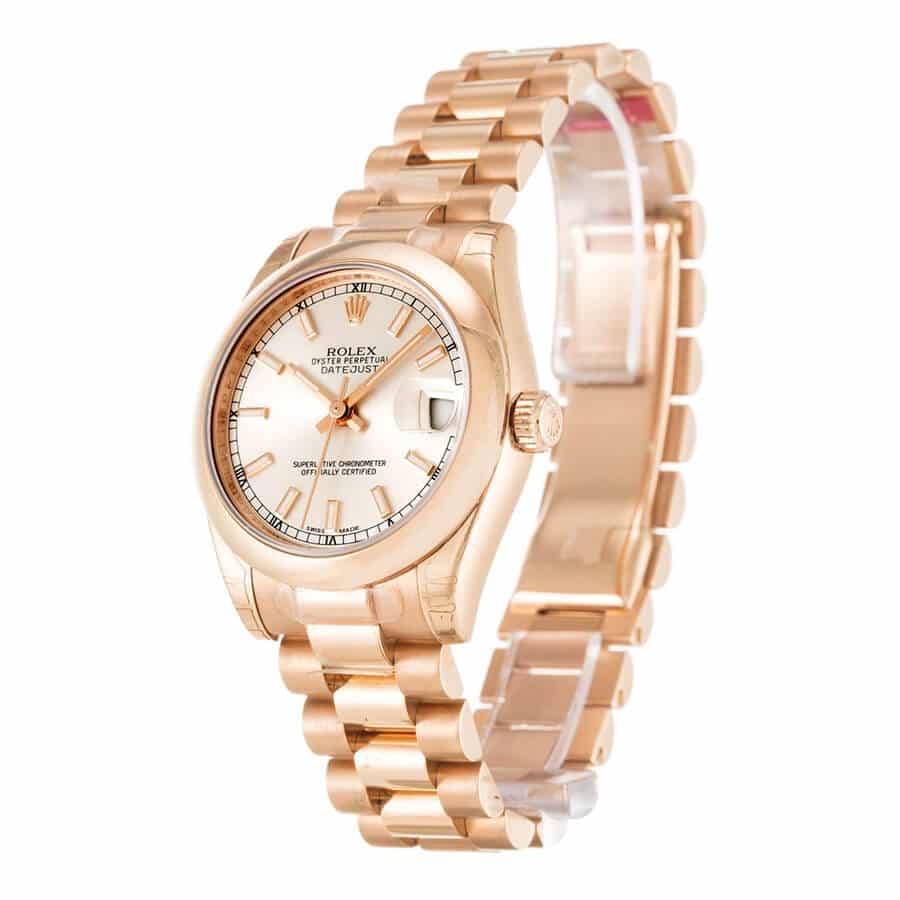
Rolex Submariner Date Ref. 16610 with black aluminum bezel and classic Oyster bracelet.

Few watches have influenced modern dive watch design more than the Submariner 16610.

Produced from 1988 until 2010, it represents the final generation of the classic aluminum-bezel Submariner before Rolex introduced ceramic bezels and redesigned case proportions.

Powered by the Calibre 3135, the 16610 earned a reputation for exceptional durability and serviceability. Many examples remain in regular use decades after leaving the factory.

Compared with the current Submariner Date, the slimmer case profile gives the 16610 a lighter, more balanced feel. Combined with its aluminum bezel and aging lume—whether tritium on earlier examples or Luminova on later production—the watch has developed a distinctive personality that many collectors feel newer references cannot replicate.
Specifications

FeatureDetails
Case size40 mm
MovementRolex Calibre 3135
Production1988–2010

Rolex GMT-Master II Ref. 16710

The GMT-Master II Ref. 16710 is often regarded as one of the defining travel watches of the modern era.

Its appeal extends well beyond the famous “Pepsi” bezel.

Rolex produced the reference with red-and-blue (“Pepsi”), red-and-black (“Coke”), and all-black bezel inserts, giving buyers several distinct personalities within the same platform. Over time, many aluminum inserts have faded into softer shades of blue, pink, charcoal, or grey, making each watch visually unique.

Mechanically, the watch introduced the independently adjustable local hour hand through the Calibre 3185, simplifying travel across multiple time zones. Late-production examples received the updated Calibre 3186, which incorporated several technical refinements, including Rolex’s Parachrom hairspring.

Collectors continue to debate which movement is more desirable, but both have established long records of dependable performance.

Specifications

FeatureDetails
Case size40 mm
MovementCalibre 3185 (later 3186)
Production1989–2007

Rolex Explorer II Ref. 16570

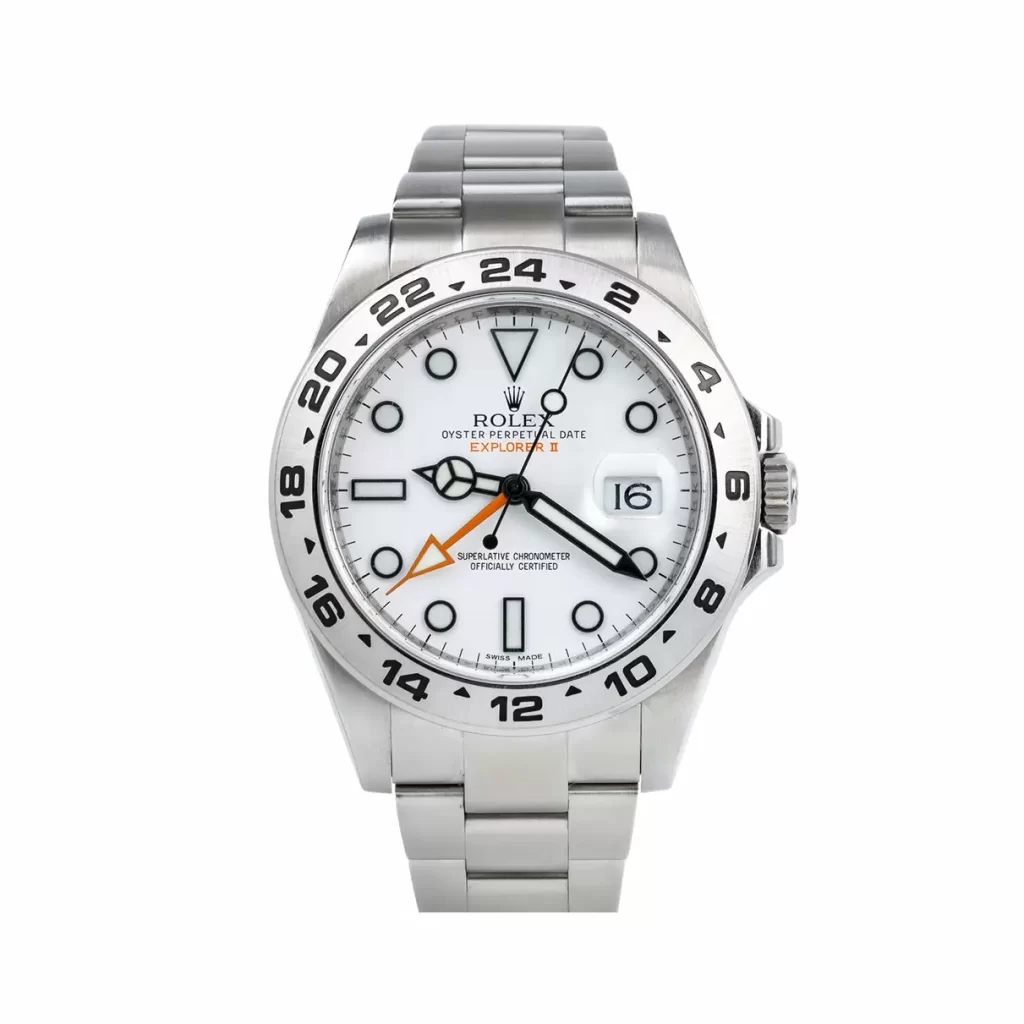
Rolex Explorer II Ref. 16570 with Polar white dial.

For years, the Explorer II lived quietly outside the spotlight.

The Ref. 16570 has become increasingly popular among collectors who appreciate its understated design and practical functionality. Unlike the GMT-Master II, it uses a fixed steel 24-hour bezel, giving the watch a cleaner, more restrained appearance.

Buyers generally choose between two distinct personalities.

The black dial offers maximum subtlety, while the white “Polar” dial creates striking contrast against the black hour-marker surrounds and bright red GMT hand. The Polar version has become particularly sought after in recent years, although preference ultimately comes down to personal taste.

For collectors who want a fake Rolex sports watch that feels less ubiquitous than the Submariner or GMT-Master II, the 16570 remains one of the strongest candidates.

Specifications

FeatureDetails
Case size40 mm
MovementCalibre 3185 (later 3186)
Production1989–2011

Rolex Submariner Ref. 14060

Rolex Submariner Ref. 14060 with its clean no-date dial.

Among Rolex enthusiasts, the no-date Submariner often inspires particularly strong loyalty.

Without the Cyclops magnifier or date window, the dial achieves near-perfect symmetry, emphasizing the simple geometry that has defined the Submariner for decades.

The early Ref. 14060 also retained several vintage characteristics, including drilled lug holes that make bracelet removal easier and a minimalist two-line dial that many collectors consider one of the cleanest designs Rolex has ever produced.

Its Calibre 3000 lacks some later technical upgrades, but it has earned an excellent reputation for reliability when properly serviced.

Specifications

FeatureDetails
Case size40 mm
MovementCalibre 3000
Production1990–1998 (14060M until 2012)

Rolex Explorer Ref. 14270

Rolex Explorer Ref. 14270 with glossy black dial and white-gold 3-6-9 numerals.

The Explorer 14270 demonstrates that restraint can be just as compelling as complexity.

Released in 1989, it modernized the classic Explorer by introducing a sapphire crystal, glossy dial, and white-gold surrounds around the signature 3-6-9 numerals while preserving the model’s understated identity.

At 36 mm, it wears noticeably smaller than today’s sports watches, but that size is precisely what many collectors appreciate. It remains comfortable on a wide range of wrists and transitions effortlessly between formal and casual settings.

Rather than drawing attention, the Explorer rewards long-term ownership through balance, proportion, and everyday usability.

Specifications

FeatureDetails
Case size36 mm
MovementCalibre 3000
Production1989–2001

Why Collectors Continue to Choose Five-Digit Rolex

Five-digit Rolex references aren’t simply older versions of today’s watches.

They represent a distinct chapter in Rolex history—one in which traditional proportions, naturally aging materials, and increasingly sophisticated engineering came together before the brand shifted toward the design language that defines its modern catalog.

That combination explains why demand has remained resilient even as newer references have entered the market.

For buyers who value individuality over factory perfection, these watches offer something increasingly difficult to find: the opportunity to own a Rolex that gradually reflects its own history through years of wear, while still delivering the reliability expected from a modern mechanical watch.

Choosing between the Rolex GMT-Master II “Batman” and the newer “Bruce Wayne” isn’t really about specifications. Mechanically, the two watches are almost identical. The real decision comes down to how you want the watch to look, wear, and fit into your collection.

Both models belong to the current GMT-Master II family, both use Rolex’s latest-generation movement, and both offer the same travel functionality. The differences are almost entirely visual—but those visual differences create two watches with very different personalities.
The Specifications Are Nearly Identical

From a technical standpoint, Rolex treats these references as variations of the same platform.

FeatureBatman (Ref. 126710BLNR)Bruce Wayne (Ref. 126710GRNR)
BezelBlue and black CerachromGrey and black Cerachrom
GMT HandBlueGreen
Dial TextWhiteGreen
Case40 mm Oystersteel40 mm Oystersteel
MovementCalibre 3285Calibre 3285
Power ReserveApproximately 70 hoursApproximately 70 hours
Water Resistance100 m100 m
BraceletOyster or JubileeOyster or Jubilee

Both references use Rolex’s Calibre 3285, which features an independently adjustable local hour hand, Chronergy escapement, Parachrom hairspring, and approximately 70 hours of power reserve. The movement has become the standard across Rolex’s current GMT-Master II lineup and has established a strong reputation for reliability since its introduction.

In practical use, you shouldn’t expect either watch to outperform the other.

The Batman Prioritizes Contrast and Recognition

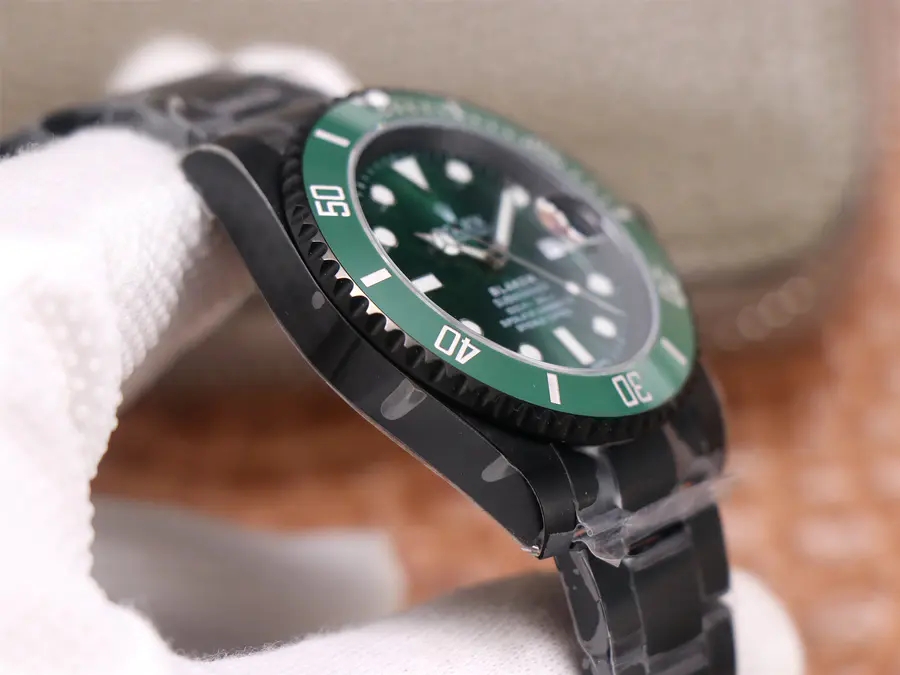
Rolex GMT-Master II Ref. 126710BLNR (“Batman”) with blue-and-black ceramic bezel.

Introduced in 2013, the Batman marked an important milestone for Rolex.

It was the first GMT-Master II to feature a two-color Cerachrom bezel, demonstrating that Rolex had solved a manufacturing challenge many believed wasn’t commercially practical. Producing two distinct ceramic colors within a single monobloc bezel insert required years of development, making the release significant from both a technical and design perspective.

Visually, the Batman remains one of the most recognizable Rolex sports watches.

The blue lower half of the bezel represents daytime hours, while the black upper half represents nighttime. The matching blue GMT hand ties the design together, giving the watch considerably more visual energy than most GMT-Master II references.

That boldness is precisely why many collectors are drawn to it.

The Batman rarely goes unnoticed, whether by watch enthusiasts or casual observers. If you enjoy wearing a replica Rolex with an immediately recognizable identity, it’s difficult to find another modern GMT that makes a stronger first impression.

The downside, depending on your perspective, is that its popularity also makes it one of the easiest Rolex sports watches to recognize.

The Bruce Wayne Takes a More Restrained Approach

Rolex GMT-Master II Ref. 126710GRNR (“Bruce Wayne”) with grey-and-black ceramic bezel.

Released in 2024, the Ref. 126710GRNR quickly acquired the nickname “Bruce Wayne” from collectors, continuing the community’s tradition of assigning unofficial names to GMT-Master II references.

Unlike “Batman” or “Pepsi,” however, “Bruce Wayne” wasn’t a nickname Rolex created or officially recognizes.

The watch replaces blue with grey, producing a much more understated appearance.

In many lighting conditions, the bezel appears almost entirely black. The grey half becomes obvious only under brighter light, giving the watch a subtlety that distinguishes it from every other ceramic GMT currently in production.

Instead of the Batman’s blue GMT hand, the Bruce Wayne uses green, along with matching green “GMT-Master II” dial text. These details provide just enough contrast without dominating the overall design.

The result is arguably the most conservative modern GMT-Master II Rolex currently produces.

For collectors who want one luxury watch capable of moving comfortably between business attire, travel, and casual wear, that’s a significant advantage.

Oyster or Jubilee? The Bracelet Makes a Bigger Difference Than You Might Expect

Both references are available on either an Oyster or Jubilee bracelet.

Mechanically, there’s no difference between the two. The decision comes down entirely to appearance and wearing experience.

Oyster Bracelet

The Oyster bracelet reinforces the GMT-Master II’s tool-watch heritage.

Its three-link construction creates a cleaner, sportier profile and emphasizes the watch’s origins as a travel instrument rather than a piece of jewelry. If your wardrobe is predominantly casual or you simply prefer understated design, the Oyster bracelet is often the more natural choice.

Jubilee Bracelet

The Jubilee gives the GMT-Master II an entirely different character.

Its five-link construction reflects considerably more light, making the watch feel more refined and visually expressive. Despite its dressier appearance, many owners also find the smaller links exceptionally comfortable during extended wear.

The Batman on a Jubilee bracelet became widely known among enthusiasts as the “Batgirl,” although Rolex has never used that nickname officially.

Interestingly, the Bruce Wayne hasn’t developed an equivalent nickname. Collectors generally describe it simply as the Bruce Wayne on Oyster or Bruce Wayne on Jubilee.

Which One Holds Value Better?

Market prices fluctuate continually, particularly for highly sought-after Rolex sports models.

Historically, newly introduced GMT-Master II references often command a premium over established models because supply is limited during the early years of production. As availability gradually improves, those premiums frequently moderate, although there is no guarantee that every reference follows the same pattern.

After more than a decade on the market, secondary-market pricing has become relatively stable compared with its earliest years.

The Bruce Wayne, by contrast, remains newer and therefore reflects stronger demand relative to available supply. Whether that premium persists will depend on future production levels, collector sentiment, and broader market conditions.

Anyone purchasing primarily for investment should remember that luxury watches are collectible assets rather than predictable financial instruments. Long-term values can appreciate, stagnate, or decline depending on economic conditions and changing collector preferences.

Buying the watch you genuinely prefer is generally a more reliable strategy than trying to predict short-term price movements.

Which GMT-Master II Fits Your Collection?

The better choice depends less on specifications than on what already exists in your watch box.

Choose the Batman if:

  • You enjoy bold, easily recognizable sports watches.
  • Most of your collection consists of black-dial models and you’re looking for something with more visual contrast.
  • You appreciate the historical significance of Rolex’s first two-color ceramic bezel.

Choose the Bruce Wayne if:

  • You prefer understated design over immediate recognition.
  • You want a GMT-Master II that pairs as comfortably with business attire as it does with casual clothing.
  • You value versatility more than distinctive color.

The Batman celebrates one of Rolex’s most recognizable modern designs, while the Bruce Wayne demonstrates how subtle changes in color can produce an entirely different personality without altering the underlying watch.
Rolex, Value, and the Quiet Power of Desire

Submariner 2026

Few paradoxes in modern luxury feel as sharp as Rolex at auction. Watches that now reach eight-figure prices were never meant to be extravagant. They were tools. Practical ones. Built for divers, pilots, people who needed something reliable on the wrist, not something to show off across a table. And yet here we are. Stainless-steel sports models now outperform heavily jeweled, complicated pieces in precious metals. It’s a bit strange when you stop and think about it.

Even among headline-grabbing results like the Bao Dai, the split-seconds Ref. 4113, or the Ref. 6062, it’s usually the simpler models that dominate the conversation. Daytona. Submariner. GMT-Master. These aren’t just watches anymore. They’ve turned into symbols, almost shorthand for the entire brand.

To understand why, you have to go back to Hans Wilsdorf. When he founded Rolex, the idea of a “luxury wristwatch” didn’t really exist. That’s not an exaggeration. Wristwatches were still proving themselves. Rolex wasn’t trying to impress anyone socially. It was trying to survive harsh conditions. Early innovations like the Oyster case and chronometer certification weren’t marketing tricks. They were solutions. You can read more about the Oyster case evolution here: https://www.rolex.com/en-us/about-rolex-watches/oyster-perpetual

And that practical DNA stuck. Even now, it hasn’t disappeared. That’s part of the tension that makes Rolex interesting. It sits somewhere between utility and status, and honestly, it doesn’t fully belong to either side.

By the 1970s, things started to shift. Gold became more prominent. Dual-time functions appeared. The watches began signaling success more openly. But Rolex never abandoned its roots entirely. That balance, or maybe that contradiction, is what fuels today’s demand.

Now, demand is… intense. Steel sports models can be nearly impossible to get at retail. Waiting lists stretch on. Prices on the secondary market often climb well above official pricing. You either wait, build relationships, or pay up. There’s no easy way around it.

Nostalgia plays a big role here. Vintage Rolex watches carry a certain romance. A Submariner isn’t just a dive watch. It hints at exploration, risk, a different era. The same goes for the replica Rolex Daytona. There’s something about wearing one that feels like stepping into a story. That might sound a bit dramatic, but collectors genuinely feel it.

And provenance? That changes everything. When a watch is tied to someone like Paul Newman, it stops being just a watch. It becomes a cultural artifact. His Daytona is the perfect example. You can explore that story here: https://www.phillips.com/article/17893019/paul-newman-daytona-record

Modern forces have amplified all of this. Social media, watch blogs, collector forums, auction marketing. It’s a feedback loop. Interest grows, prices rise, visibility increases, and then interest grows again. During the pandemic, this effect accelerated. People weren’t traveling. They weren’t spending on experiences. So they turned to tangible assets. Watches benefited. Rolex, more than anyone.

That’s when the “investment” narrative really took off. Some collectors don’t like that idea. They think it misses the point. Maybe they’re right. Still, the market doesn’t lie. Liquidity is real. A steel Rolex today can often be flipped tomorrow, sometimes at a profit. Not always, but often enough to matter.

Interestingly, gold models are having a moment again. For a long time, they sat in the shadow of steel sports watches. Now they’re coming back. Data from the Bloomberg Subdial Watch Index shows rising interest, especially since 2022. You can check the index methodology here: https://www.bloomberg.com/subdial-watch-index

A few factors are driving that. Gold prices have surged. Design trends are shifting toward bolder aesthetics. And cultural visibility helps too. When someone like Zayn Malik wears a yellow-gold Day-Date, it doesn’t go unnoticed.

Here’s a quick snapshot of the shift:

CategoryPast PreferenceCurrent TrendKey Driver
Steel Sports ModelsDominantStill strongScarcity and liquidity
Gold ModelsUnderappreciatedRising sharplyGold prices and visibility
Two-Tone WatchesOften overlookedGradual resurgenceChanging taste

Rolex itself has adjusted. Price increases, especially in gold models, reflect not just branding but raw material costs. Gold rose significantly through 2025 and into 2026. That matters. Tariffs and global trade pressures add another layer of uncertainty. Prices aren’t rising randomly.

And then there’s the idea of “firsts.” Early production runs. Subtle variations. These details are becoming more important. Collectors are paying attention. It’s almost like watching history form in real time.

Still, all this analysis can miss something simpler. Rolex works because of design. Pure and consistent design. Think about the Rolex Submariner. Introduced in 1953, it essentially defined the modern dive watch. Rotating bezel, luminous markers, clean legibility. That template still holds.

There’s a good technical overview here: https://www.hodinkee.com/articles/rolex-submariner-history

What’s interesting is how little it has changed. Decades pass, and the updates are incremental. Almost obsessive. Slight case adjustments. Dial refinements. Movement upgrades. Nothing drastic. That’s intentional. Rolex doesn’t chase novelty. It refines continuity.

More than 70 years later, the Submariner still feels complete. Not outdated. Not nostalgic. Just… finished.

In the end, Rolex isn’t really about steel versus gold or simple versus complicated. It’s about meaning. That might sound vague, but it’s accurate. People aren’t just buying materials or mechanics. They’re buying into something that feels lasting.

And maybe that’s the real reason those auction prices keep climbing. Not because the watches changed. But because what they represent did.

Is the Rolex Land-Dweller the Crown’s Next Icon – or a Beautiful Question Mark?

Rolex Land-Dweller

There are moments in watchmaking that feel less like product launches and more like debuts under stadium lights. The crowd is restless. The expectations are impossibly high. And history, inconveniently, has already set the bar.
As a community, we like to pretend we know exactly what we want – until history reminds us otherwise. The Nautilus was misunderstood. The Royal Oak was ridiculed. The clone Daytona sat unwanted in display cases. Icons, it turns out, rarely announce themselves as such. As one former editor once quoted John Updike: “God does not answer letters.” Rolex doesn’t either.

The Walk In
At Watches & Wonders, the Rolex Land-Dweller quietly became the gravitational center of the room. Tariff rumors may have dominated headlines, but on the show floor, this was the watch everyone wanted to touch – if only briefly.
Entering the Rolex space feels less like visiting a booth and more like stepping inside a fortified pavilion. Branding stretches skyward. Fluted textures echo the Crown’s DNA. And there it was – the 40mm steel Land-Dweller – presented first, without ceremony, as if daring us to decide.
I watched it travel down the table before reaching me. Silence followed. That kind of silence only happens when expectations collide with reality.

First Contact: Beyond the Dial
In photos, the Land-Dweller’s dial dominates the conversation. The femtolaser-engraved honeycomb texture. The assertive “6” and “9” numerals. It’s visually arresting – almost confrontational.
But on the wrist, the dial quickly gives way to something more subversive.
The case, inspired by the vintage ref. 1530, feels almost shocking in a modern fake Rolex context. It’s thin. It lies flat. It wears with a confidence that doesn’t need bulk to assert itself. This is not the muscular stance of a Professional model – it’s controlled, composed, and quietly athletic.
The new Flat Jubilee bracelet continues that theme. Less polish, more restraint. Broader surfaces. A lower visual profile. It doesn’t sparkle – it performs. Add in the exhibition caseback, Crownclasp, and the new-generation movement beneath, and you realize this isn’t Rolex experimenting. This is Rolex refining.

On the Wrist: The Moment of Truth
Under a tailored suit sleeve, the replica Rolex Land-Dweller disappeared – and that might be its greatest trick. I slipped my wrist in and out of my cuff more times than I’d care to admit. Outside of the 1908, no modern Rolex has ever done that for me.
Despite its 40mm diameter, it wears closer to 38mm. Balanced. Precise. Almost deceptive. I double-checked the size, convinced I’d been handed the smaller version.
I’m a vintage Explorer person at heart. I wanted to love the 36mm. But the 40mm won me over decisively. The proportions are simply right. Enough presence to feel modern. Enough restraint to feel timeless.

The Dial Dilemma
And then – inevitably – I circled back to the dial.
It took longer than expected. That alone says something. But standing there, chin tucked, elbow cocked, I found myself mentally redesigning it. A darker color. Different numerals. Maybe no numerals at all.

That’s when it clicked.
This wasn’t the watch failing me. This was me trying to rewrite it. And history suggests that’s rarely how legends are born. One wonders what critics thought of the Royal Oak’s tapisserie in 1972 – or the Aquanaut’s numerals in 1997.
The Land-Dweller isn’t asking for approval. It’s asking for time.

Engineering the Future
Much has already been said about the new caliber 7135 and the Dynapulse escapement – and rightly so. Industrializing this level of chronometric innovation is something only Rolex can do, entirely in-house, at global scale.
This isn’t just technical progress. It’s infrastructure-level evolution. The kind that reshapes expectations across the industry.

Positioning and Price
At $14,900 for the 40mm steel version ($13,900 for the 36mm), the Land-Dweller sits exactly where it should. Above the Datejust. Below the Sky-Dweller. Comfortably distant from the Day-Date.
A $4,100 premium over the Datejust may raise eyebrows – until you consider the movement, the case architecture, and the reality that an Oyster bracelet alone trades for nearly that on the secondary market.

So, What Happens Next?
History shows us that Rolex’s entirely new models often arrive with a roar – and settle into a murmur. The Sky-Dweller once felt untouchable. Today, it’s available. The Land-Dweller’s fate remains unwritten.

The Land-Dweller is Rolex distilled: forward-looking, backward-referencing, and entirely unconcerned with consensus. It’s a watch that doesn’t chase trends – it sets conditions.
Ask again in ten years. That’s when we’ll know.

Replica Rolex’s 2026 Yacht-Master Evolution

2026 Rolex-Day-Date-128238-0008-Replica

Rolex unveils a compelling evolution of its maritime icon for 2026: the Yacht-Master, now presented in a striking 18 ct Everose gold case paired with a sophisticated black Cerachrom ceramic bezel. Offered in both 40mm (ref. 116655) and 37mm (ref. 268655) sizes, this iteration marks a significant aesthetic departure. It replaces the model’s traditional platinum bezel with deep, scratch-resistant black ceramic, creating a luxurious yet understated contrast against the warm rose gold – a blend that exudes sporty elegance without ostentation.

Powering these replica watches are Rolex’s renowned in-house movements. The 40mm model houses the robust Caliber 3135 automatic movement, while the 37mm version features the Caliber 2236. Both are supremely reliable three-hand movements with instantaneous date change, ensuring precision and functionality worthy of the brand. The new Cerachrom bezel itself is a feat, showcasing Rolex’s mastery in ceramic technology. Notably, the raised, polished numerals and markers are crafted directly in relief from the ceramic material during the high-pressure molding process, a complex technique that enhances both the bezel’s visual depth and its resistance to fading, adding a distinctive new character to the Yacht-Master lineage.

The most talked-about innovation, however, is the introduction of the copy Rolex Oysterflex bracelet. Far surpassing conventional rubber straps, the Oysterflex represents a fusion of advanced materials and engineering. Its core is a flexible, highly resistant titanium and nickel alloy blade, providing the structural integrity and secure fit of a metal bracelet. This blade is then overmoulded with a high-performance black elastomer, chosen for its exceptional durability, resistance to environmental factors, and hypoallergenic properties. Ingeniously, the inner surface incorporates a patented cushion system, featuring longitudinal ribs that stabilize the watch comfortably on the wrist while allowing air circulation. The entire assembly is secured with a robust 18 ct Everose gold Oysterlock safety clasp, ensuring both security and a seamless aesthetic flow from case to bracelet. This unique construction delivers the supple comfort associated with rubber while offering the longevity and resilience expected from Rolex metal bracelets.

This strategic update underscores Rolex’s keen awareness of its enthusiast base. The brand demonstrates a thoughtful balance, respecting its heritage while actively responding to contemporary preferences for size versatility, material innovation, and alternative strap options – a move that resonates strongly within the collector community. The 2026 Rolex Yacht-Master, with its alluring Everose gold and ceramic combination and the groundbreaking Oysterflex, exemplifies this approach, offering not just a new color scheme but significant advancements in comfort and technology, marking an exciting chapter for the iconic seafaring watch. For now, experiencing the unique feel and performance of the Oysterflex means embracing this latest expression of the Yacht-Master spirit.
From Replica Rolex’s Exotic Stone Dial to Ressence’s Radical Type 7

gold Rolex GMT 2026

The first half of 2025 has been a remarkable showcase for the GMT category, with watchmakers from Switzerland, Germany, and Japan presenting models that balance technical precision with aesthetic ambition. While Rolex GMT watches have always been a favorite among travelers and collectors alike, this year’s releases demonstrate the versatility of the complication – from rugged divers capable of crossing oceans to opulent creations intended to turn heads in an airport lounge.

Here are five standout models that have captured our attention, each for very different reasons, yet all united by their ability to track more than one time zone with elegance and authority.

Doxa Sub 250T GMT – A Diver with a Worldly Edge
Doxa’s latest evolution of its beloved dive watch line, the Sub 250T GMT, blends the brand’s maritime heritage with a cosmopolitan twist. Slightly upsized from the Sub 200T, the new model offers a 40mm stainless steel case with a slim 10.85mm profile, 42.9mm lug-to-lug span, and 250 meters of water resistance. The proportions strike a fine balance – robust enough for underwater use, yet refined for everyday wear.

The color palette is as bold as Doxa’s legacy demands. Whether you gravitate toward the iconic orange Professional, the deep blue Caribbean, the rich green Sea Emerald, or the quietly sophisticated silver Searambler, each variant is available on a supple matching rubber strap or the brand’s signature beads-of-rice bracelet.

Doxa has integrated the GMT function with impressive subtlety, using a large skeletonized fourth hand to indicate the second time zone on a 24-hour scale recessed into the rehaut. Despite the complexity of the dial – bezel scales, a date window, and luminous indexes – the layout remains intuitive at a glance. Power comes from a Swiss automatic movement (likely Sellita) with a 50-hour reserve and caller-style GMT functionality. Priced from €2,550, it delivers remarkable value for a travel-ready diver with such character.

Nomos Club Sport Neomatik Worldtimer Limited Editions – Minimalism in Motion
Nomos Glashütte brings its clean, modernist sensibility to world travel with the Club Sport Neomatik Worldtimer Limited Editions. Offered in six striking dial colors – Volcano grey, Jungle green, Canyon brown, Glacier blue, Magma red, and Dune yellow – each variation is limited to just 175 pieces. The 40mm polished stainless steel case, a mere 9.9mm thick, wears with the ease of a dress watch while housing a serious travel complication.

The magic lies in the intuitive operation: a single pusher advances the city ring at 3 o’clock, instantly adjusting the local time display without affecting the home time. At its heart is Nomos’s in-house caliber DUW 3202, designed and built in Glashütte, running at 28,800vph with a 42-hour reserve. A sapphire exhibition case back reveals its refined architecture, underscoring the blend of function and craftsmanship. At €3,940, it is both a travel companion and a collector’s prize – assuming you can find one before they disappear into private collections.

Rolex GMT-Master II “Tiger Iron” – Exotic Stone Meets Everose Gold
Rolex’s newest addition to the GMT-Master II family might be its most polarizing yet – a dial crafted from tiger iron, a natural fusion of tiger eye, red jasper, and hematite. Each piece of stone is unique, resulting in patterns that range from subdued grey swirls to fiery streaks of yellow and red. Set within a 40mm Everose gold case and paired with a black-and-brown Cerachrom bezel, the effect is strikingly opulent.

Inside beats replica Rolex’s in-house caliber 3285, with a 70-hour reserve and the precision that underpins the brand’s reputation. The €51,250 price tag places it firmly in the realm of the aspirational, but for those seeking a GMT that is both mechanically formidable and visually one-of-a-kind, the “Tiger Iron” delivers an undeniable statement.

Seiko Prospex 1968 Heritage Diver’s GMT SPB509 – Blue Depths and Golden Details
Seiko revisits its late-’60s dive watch heritage with the SPB509, a travel-ready reinterpretation that combines robust performance with subtle elegance. The stainless steel case measures 42mm with a 13.3mm profile and 300 meters of water resistance, making it a genuine tool watch. The star, however, is the dial – a two-tone blue wave pattern that shifts with the light, complemented by a gold Rolex GMT hand that adds a touch of refinement.

The in-house 6R54 automatic movement provides a generous 72-hour power reserve and caller-style GMT functionality. The updated three-link bracelet incorporates a toolless extension, reflecting Seiko’s recent strides in bracelet engineering. At €1,900, the SPB509 offers a rare combination of diving pedigree and international practicality at a highly accessible price point.

Ressence Type 7 – A Futuristic Take on World Time
Few watchmakers approach time display with the conceptual audacity of Ressence, and the new Type 7 pushes that philosophy into the realm of integrated sports watches. Crafted entirely from Grade 5 titanium, the 41mm case flows seamlessly into a tapering three-row bracelet, the central links dominating the width for a distinctive architectural look.

Two versions are available: the deep Night Blue with a ceramic bezel, and the XV Aquamarine limited to 80 pieces with an aluminum bezel, celebrating the brand’s 15th anniversary. Ressence’s oil-filled convex dial, with its satellite display of minutes, hours, and a second time zone, offers unmatched legibility thanks to the absence of light refraction.

The patented ROCS 7 system – driven by a customized ETA automatic movement – delivers a 36-hour reserve. Priced at CHF 36,000 before tax, the Type 7 is not merely a GMT; it is a radical rethinking of how a travel watch can look, feel, and function.

From Doxa’s colorful practicality to Rolex’s opulent artistry, and from Seiko’s value-driven execution to Ressence’s avant-garde vision, the first half of 2026 has proven that the GMT complication remains one of horology’s most fertile grounds for creativity. Whether your travel plans involve coral reefs, cosmopolitan capitals, or simply daydreaming over a map, this year’s offerings ensure there is a GMT to match both your lifestyle and your aesthetic ambitions.

Eight Exquisite Alternatives to the Rolex Datejust

Rolex Datejust202508071

Few watches command the reverence of the Rolex Datejust – a masterpiece celebrated for its timeless design and mechanical precision. Yet, the pursuit of a worthy alternative unveils a world of craftsmanship where heritage, innovation, and artistry converge. Whether drawn to understated minimalism or avant-garde flair, discerning collectors will find these eight luxe alternatives embody the Datejust’s spirit while carving their own legacies.

A Datejust rival must balance aesthetic grace with technical prowess. Seek watches that marry polished finishes with versatile silhouettes – pieces equally at home beneath a cuff or paired with casual attire. The magic lies in details: sunburst dials that catch the light like liquid metal, cases sculpted to ergonomic perfection, and bracelets that drape like silk. Beyond aesthetics, the heart of any contender beats with a robust movement – precise, anti-magnetic, and endowed with a power reserve that outlasts a weekend. Brands steeped in horological legacy add intangible value, their histories woven with milestones that promise enduring quality and investment potential.

Rolex Oyster Perpetual
For purists who crave Rolex’s DNA without ornamentation, the Oyster Perpetual distills the brand’s essence into a minimalist marvel. Its uncluttered dial – a canvas of lacquered simplicity – showcases the iconic Oyster case, a testament to decades of refinement. Lacking the replica Rolex Datejust’s cyclops or fluted bezel, it whispers elegance through monochromatic indices and a glide of polished steel. Here, less is more: the absence of complication underscores Rolex’s mastery of form.

Omega Seamaster Aqua Terra
Omega’s riposte to the Datejust marries maritime resilience with boardroom sophistication. The Aqua Terra’s teak-patterned dial evokes yacht decks, while its Master Chronometer-certified movement defies magnetic fields up to 15,000 gauss – a feat surpassing Rolex’s standards. Zaratsu-polished hands sweep over applied indices, and the caseback reveals a coaxial escapement, a mechanical ballet visible through sapphire. It’s a watch for those who demand both pedigree and innovation.

Cartier Santos
A century-old icon, the Santos reimagines geometry as art. Its square case, framed by exposed screws, channels Art Deco audacity, while the guilloché dial – adorned with sword-shaped hands and Roman numerals – exudes Parisian chic. The QuickSwitch system allows seamless transitions from steel bracelets to alligator straps, offering sartorial flexibility. Worn by aviators and aesthetes alike, the Santos is a declaration of individuality in a world of round watches.

Tudor Glamour Double Date
Tudor’s kinship with Rolex shines in the Glamour, a watch that trades the Datejust’s cyclops for a bold double aperture at 12 o’clock. The slate-gray dial, textured like brushed linen, contrasts with rose-gold indices, while the COSC-certified movement ensures chronometric rigor. It’s a sibling rivalry where Tudor emerges with its own voice – equally refined, yet refreshingly bold.

Longines Master Collection
Longines marries affordability with complications that rival haute horlogerie. Moon phases pirouette atop opaline dials, while blued hands glide over barleycorn guilloché. The L899 movement, with its 72-hour reserve, hums beneath exhibition casebacks. For the price of a Datejust’s bracelet, this collection offers a symphony of mechanics and artistry.

Oris Artelier
Oris proves Swiss excellence needn’t command Swiss prices. The Artelier’s domed sapphire curves over a tapestry of Clous de Paris engraving, its hands heat-blued to a twilight hue. At 39.5mm, it nestles discreetly on the wrist, a sleeper hit for connoisseurs who value subtlety over status.

Cartier Ballon Bleu
A whimsical counterpoint to the Datejust’s austerity, the Ballon Bleu floats on a cushion-shaped case, its crown nestled beneath a protective arc. Silvered dials ripple with sunray brushing, while the cabochon-topped crown winks with sapphire allure. It’s a replica watch that dances between playfulness and poise, perfect for those who wear their luxury with a smile.

Longines Conquest
The Conquest distills sports-luxe into an accessible package. Sunburst dials shimmer in navy or anthracite, framed by diamond-cut indices. Its L888 movement, resistant to life’s jolts and jars, ticks within a 41mm case brushed to a satin gleam. For adventurers who refuse to sacrifice style, it’s a trusty companion.

The true successor to the Datejust isn’t about replication – it’s about resonance. Whether drawn to Omega’s technical bravado, Cartier’s geometric poetry, or Tudor’s familial charm, each alternative offers a narrative as compelling as fake Rolex’s own. In this landscape of horological treasures, the perfect choice isn’t merely a timekeeper; it’s a chapter in your own story, etched in steel and gold.

The Elegant Evolution of Rolex’s Integrated Bracelet Designs

Oysterquartz 600x400

In the shadow of swirling rumors about Rolex’s potential revival of integrated bracelets, collectors have begun revisiting the brand’s storied past. Grainy leaks and hushed speculation aside, the allure of these seamless designs – where bracelet and case merge into a single fluid statement – remains undeniable. While the future is uncertain, the present offers a trove of vintage treasures. Let’s explore three Rolex models that epitomize this design philosophy, each a testament to the brand’s ability to blend technical innovation with timeless aesthetics.

  1. Oysterquartz Datejust Ref. 17014: The Quartz Maverick
    Emerging in 1977 as Rolex’s bold answer to the quartz crisis, the Oysterquartz Datejust Ref. 17014 defied conventions. Its angular, architectural case – a stark departure from the brand’s curvaceous norms – housed the in-house Caliber 5035, a high-precision quartz movement engineered to rival mechanical rivals. The 36mm stainless steel frame, crowned by a fluted white gold bezel, exudes a brutalist charm, while the integrated Jubilee bracelet reimagines tradition. Here, flattened links replace the classic rounded motifs, resulting in a streamlined silhouette that whispers modernity.

Currently listed in the Netherlands for €7,250 (negotiable), this model’s resurgence in popularity speaks to a growing appreciation for its audacity. Once dismissed as a relic of quartz’s utilitarian era, it now captivates collectors who crave both heritage and idiosyncrasy. The Cyclops date window and sunburst silver dial remain quintessentially Rolex, yet the watch’s geometric rigor feels strikingly contemporary – a paradox only Rolex could master.

  1. Date Ref. 1530: The Mechanical Enigma
    For purists who shun quartz, the elusive Date Ref. 1530 offers a mechanical counterpart to the Oysterquartz’s avant-garde ethos. Cloaked in a 36mm stainless steel case with sharp, slab-sided lines, this rarity blurs the line between tool watch and art piece. Powered by the automatic Caliber 1570 – a workhorse known for its robustness – it marries rugged reliability with a design language that predates the Oysterquartz by decades.

The integrated Oyster bracelet here is a marvel of restraint: broad, flat links cascade seamlessly from the case, eschewing ornamentation for minimalist rigor. A mere 1,500 examples are believed to exist, amplifying its mystique. Priced at €14,990 in Germany, this watch isn’t merely a purchase – it’s an entry into an exclusive club of collectors who value obscurity as much as craftsmanship.

  1. Oysterquartz Day-Date Ref. 19018: The Gilded Rebel
    To close our journey, we turn to opulence. The 18k yellow gold Oysterquartz Day-Date Ref. 19018, circa 1979, is a study in contradictions. Its integrated President-style bracelet, typically associated with soft curves, adopts a flattened, almost industrial profile. The burlwood dial – adorned with a delicate spiderweb of cracks – adds organic warmth to the replica watch’s rigid geometry. Rolex’s quartz Caliber 5055 hums inside, a silent engine beneath the decadence.

Listed at €12,750 in the Netherlands, this piece challenges perceptions of what a “precious” Rolex should be. The spider dial, once dismissed as a flaw, now enchants those who see beauty in imperfection. It’s a reminder that patina tells a story – one of decades spent evolving from a cutting-edge oddity to a cherished artifact.

Function Meets Artistry
Rolex’s integrated bracelets are more than design quirks; they’re a rebellion against the disposable nature of trends. Each model here – whether quartz or mechanical, steel or gold – embodies a moment when Rolex dared to redefine itself. The Rolex Oysterquartz line, once a footnote, now shines as a cult classic. The Date Ref. 1530, with its mechanical heart and avant-garde shell, bridges eras. And the Day-Date, draped in gold and cracks, proves that even luxury can age with character.

As rumors swirl about Rolex’s next move, these vintage icons remind us that innovation isn’t always about looking forward – sometimes, it’s about revisiting the past with fresh eyes. For collectors, the hunt isn’t just for a watch, but for a fragment of horological daring. And in that pursuit, integrated bracelets will always hold a singular allure.

Luxury’s Mirror or Merely Rolex’s Shadow?

Top Rolex

The Tudor Black Bay Pro has reignited a decades-old debate: Can a watch simultaneously honor its lineage and carve its own identity, or does it risk becoming a mere echo of its prestigious sibling? When Hans Wilsdorf founded Tudor in 1946, his vision was clear-to offer Rolex’s reliability and craftsmanship at a democratic price. Yet the phrase “poor man’s Rolex,” often casually tossed at Tudor models, stirs more than horological debate-it unravels threads of class, language, and the very essence of luxury.
Wilsdorf’s genius lay in recognizing an unmet niche. Rolex, even in its mid-century heyday, remained a symbol of aspirational wealth. Tudor, by contrast, became the tool watch for engineers, divers, and explorers who demanded precision without pretense. The Black Bay Pro, with its vintage-inspired GMT function and rugged elegance, channels this ethos. But its €3,480 price tag-far below Rolex’s offerings-raises questions. Is it a tribute to accessibility, or does it inadvertently highlight the exclusivity it once sought to dismantle?
Language, like luxury, is layered. The term “poor man’s” evokes discomfort, and rightly so. In a world where 8.5% of the global population lives in extreme poverty, trivializing financial hardship feels tone-deaf. Yet idioms like “poor man’s silver” or “poor man’s Rolex” aren’t literal indictments of poverty; they’re analogies for accessible alternatives. The Black Bay Pro, inspired by replica Rolex’s 1970s Explorer II “Freccione,” mirrors its design language-the bold orange GMT hand, the matte black dial-but at a fraction of the €25,000+ cost of its muse. Tudor’s executives openly admit the homage, framing it as democratizing a classic for modern enthusiasts.

But words carry unintended gravity. To a single parent juggling rent and groceries, even Tudor’s “accessible” price remains a fantasy. Luxury watches exist in a parallel universe where “affordable” means “cheaper than a car,” not “within reach.” This dissonance fuels the backlash. When a term like “poor” collides with a €3,500 watch, it highlights the industry’s blind spot: the chasm between its clientele and the working-class roots it romanticizes.
Critics argue the Black Bay Pro’s resemblance to the “Freccione” borders on mimicry. The sloping lugs, the stark dial contrasts-these aren’t subtle nods but deliberate replications. Yet Tudor’s history is one of borrowed DNA. Vintage models like the Oyster Prince and Submariner shared cases, bracelets, and even movements with Rolex counterparts, differing only in branding and finishing. The Black Bay Pro follows this tradition, yet modern collectors demand more than nostalgia. Does the watch transcend its inspiration, or is it content to linger in Rolex’s shadow? For more detail at https://www.localdlish.com

The answer lies in execution. Tudor’s MT5652 movement, with its 70-hour power reserve and silicon hairspring, outperforms many Rolex calibers. The Pro’s 39mm case, a Goldilocks size for wrists alienated by the Explorer II’s bulk, reflects contemporary tastes. These nuances matter. They suggest a brand refining its voice, even as it whispers in Rolex’s accent.
Luxury thrives on exclusivity, yet hungers for validation. When Tudor markets the Black Bay Pro as a “tool replica watch,” it taps into a rugged, egalitarian mythos-the idea that these watches are meant to be worn, not coddled. But the term “poor man’s Rolex” undercuts this narrative, reducing Tudor to a budget brand rather than a peer with its own legacy.

Does the phrase offend? For some, yes-not because of malice, but context. In an era of widening wealth gaps, where 12-18% of Americans live below the poverty line, luxury marketing walks a tightrope. A Tudor may be “affordable” relative to replica Rolex, but it’s still a totem of privilege. Acknowledging this isn’t political correctness; it’s nuance. As language evolves, so must the stories brands tell.
The Black Bay Pro is no mere imitation. It’s a meticulously crafted ode to horological history, blending Tudor’s tool-watch pragmatism with Rolex’s design lexicon. Yet the “poor man’s” label, however well-intentioned, feels increasingly anachronistic. In a world where inequality is quantified by Gini coefficients and billionaires’ space races, perhaps it’s time to retire the idiom-not out of guilt, but respect for the complexities it glosses over.

Tudor’s challenge isn’t to escape Rolex’s legacy, but to redefine its own. The Black Bay Pro, with its technical prowess and vintage charm, suggests a path forward: one where homage matures into innovation, and where “accessible luxury” means more than just a cheaper logo.

A Modern Homage to the Replica Rolex Explorer 1

Rolex Explorer 1

he story of the Smiths Everest is a fascinating one, intertwining history, legacy, and the spirit of adventure. While most homage watches pay tribute to just one iconic watch, the Smiths Everest does something rare – it honors two. The first is the famous Rolex Explorer 1, which became legendary when Sir Edmund Hillary wore it during his historic ascent of Mount Everest in 1953. But what many don’t know is that Hillary was also wearing a second watch: a Smiths. Today, while the Rolex Explorer 1 is celebrated globally, the Smiths watch has largely been forgotten. This is understandable, given that Smiths, a once prominent British watchmaker, ceased operations in the mid-1970s. However, thanks to the revival of the Smiths brand by Timefactors, this piece of history is making a comeback.

The Smiths Everest is a reimagining of the Rolex Explorer 1, produced by Timefactors under the Smiths name. While the two watches share many similarities, there are subtle differences that set the Everest apart. Let’s take a closer look at how the Smiths Everest draws from its legendary inspiration while offering something unique.

A Tribute with Distinctive Touches
When it comes to size, the Smiths Everest and the modern Rolex Explorer 1 are almost identical, both measuring 36mm in diameter. However, the older versions of both models feature slight variations, with the Everest available in a 40mm size and the Explorer 1 in a 39mm version, depending on the reference you choose for comparison. Both replica watches are housed in stainless steel cases, ensuring robustness and the kind of weather-resistance you’d expect from a mountaineering watch. The case has a polished, wide bezel and curved, lightly brushed lugs, echoing the aesthetic of the Rolex Explorer. One of the standout features of the Everest is its exceptional replication of the Oyster-style case profile. If you were to scale up the Rolex Explorer 1 to the same size, the case profile would be virtually identical.

The screw-down crown at the 3 o’clock position is another key feature, boasting a knurled design that ensures easy operation. The case back is made of stainless steel and is plain, with only basic details – such as the water resistance, reference number, and the Smiths logo – engraved. In a way, this simplicity mirrors the Rolex Explorer 1, which similarly has a no-frills case back. Additionally, the screw-down back design ensures ease of maintenance. With a 100-meter water resistance, the Everest is suitable for swimming, adding practical versatility to its vintage-inspired design.

Acrylic Crystal and Movement
While the Smiths Everest borrows heavily from the Explorer 1, it does have some key differences. One of the most noticeable is the crystal. The Rolex Explorer 1 uses a scratch-resistant sapphire crystal, whereas the Everest opts for a domed acrylic crystal. This choice gives the Everest a more retro aesthetic, though it also distorts the dial slightly at the edges or at an angle, creating a unique visual effect that many collectors appreciate.

Internally, the Smiths Everest is powered by a Miyota 9015 automatic movement, a reliable and well-regarded movement with a frequency of 28,800Hz, 24 jewels, and an accuracy range of -10 to +30 seconds per day. It also features hand-winding, hacking seconds, and a date function, though the Everest does not have a date window. In comparison, the Rolex Explorer 1 features a proprietary Rolex movement, which is expected given its premium status. Still, the Miyota movement provides the Everest with solid performance at a more accessible price point.

Minimalism with Functionality
From a design perspective, the Smiths Everest’s dial closely resembles that of the Rolex Explorer 1, with both featuring a minimalist aesthetic. The dial is a flat, matte black with no subdials or extraneous complications – just pure functionality. The only decorative element is the Smiths logo at 12 o’clock, which sets it apart from its Rolex counterpart. The hour markers are straightforward, with fine hashes marking individual minutes on the outer index and larger lume indices at the 5-minute marks. At the 12 o’clock position, there’s a large triangle, while the 3, 6, and 9 o’clock positions are marked with Arabic numerals. The remaining hour markers are represented by bold lines.

The hour hand is short and broad, with a distinctive “peace sign” design at its center – a unique touch that mirrors the Explorer 1’s hour hand. The minute and second hands are similarly styled, with the minute hand being thin and elongated, while the second hand is needle-thin. Lume is applied generously to the hour and minute hands, ensuring legibility in low light conditions, while the second hand has a small lume ring midway down its length.

The Smiths Everest may not have the same name recognition as the Rolex Explorer 1, but it is an exceptional homage to a fake watch that helped define the spirit of exploration. By blending modern design elements with vintage inspiration, the Everest offers a unique take on the legendary Rolex, making it a worthy alternative for those who admire the Explorer 1 but are looking for something with a distinct personality.

Whether you’re a collector, a history enthusiast, or simply a fan of well-designed watches, the Smiths Everest offers a charming and affordable tribute to one of the most iconic watches in history. Its combination of vintage design, quality craftsmanship, and a rich historical connection to Everest makes it a standout in the world of homage watches.

Top 5 Replica Rolex Day-Date References

The Rolex Day-Date has long stood as the pinnacle of luxury watchmaking since its debut in 1956. Known for its elegant style and iconic status, the Day-Date remains unmatched in its appeal. This article explores what we consider the top five references of this prestigious watch, taking into account collectibility and market trends.

Rolex Day-Date Ref. 6611
Our journey begins with the ref. 6611, released in 1957. This reference followed the initial replica Rolex Day-Date models (ref. 6510 and 6511) that were produced for only a year. The ref. 6611 featured an improved caliber 1055 movement, offering better power reserve. While the pink gold ref. 6612 is equally notable, the classic yellow gold with a fluted bezel is the quintessential Day-Date configuration. The ref. 661x models remained in production until 1959, marking a significant evolution in the Day-Date’s design.

Rolex Day-Date Ref. 1803
Next on our list is the ref. 1803, part of the 1800 series that began in 1960. This model is characterized by its 36mm case available in various gold options, featuring baton hands and markers, along with the iconic date and month displays. The ref. 1803 also introduced the caliber 1555 movement, further refined in 1965 with the caliber 1565. Its production lasted until 1978, during which it offered a variety of stunning dials, including the famous Stella dials. Prices for a well-maintained ref. 1803 typically range from €7,500 to over €100,000 for special editions.

Rolex Day-Date Ref. 18038
Moving into the 1978 introduction of the ref. 18038, this model marked the transition to sapphire crystals and featured the upgraded caliber 3055 movement, notable for its quickset date function. The 18000 series is celebrated for its remarkable dials, showcasing unique materials like tiger’s eye and black onyx. Prices for the ref. 18038 generally fall between €9,000 and €20,000, with special dials commanding prices that can exceed €100,000.

Rolex Day-Date Ref. 18238
The ref. 18238, launched in 1988, introduced the caliber 3155 movement, which included a double-quickset feature for both date and day indicators. This model beautifully marries modern functionality with classic aesthetics, making it a favorite among enthusiasts. Prices typically start around €14,500 and can exceed €50,000 for exceptional dials. Fratello’s own Robert-Jan proudly owns this reference, underscoring its iconic status.

Rolex Day-Date Ref. 118209
Finally, we arrive at the ref. 118209, a sleek white gold model introduced in 2000. This generation of clone Rolex Day-Dates brought significant updates, including a new bracelet and clasp that enhanced the watch’s presence on the wrist. The ref. 118209 is particularly appealing with its rhodium dial, providing a refined yet understated look. Prices for this model generally range from just below €20,000 to around €25,000, making it a more accessible option compared to its yellow gold counterparts.

Each of these replica Rolex Day-Date references embodies the essence of luxury and craftsmanship, with their unique features and historical significance contributing to their allure. Whether you prefer the classic yellow gold or a more understated white gold option, the Day-Date remains a timeless statement piece in any collection.