
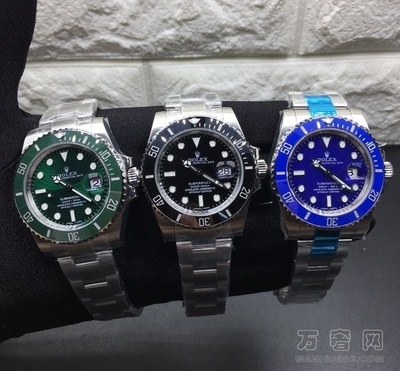
Few paradoxes in modern luxury feel as sharp as Rolex at auction. Watches that now reach eight-figure prices were never meant to be extravagant. They were tools. Practical ones. Built for divers, pilots, people who needed something reliable on the wrist, not something to show off across a table. And yet here we are. Stainless-steel sports models now outperform heavily jeweled, complicated pieces in precious metals. It’s a bit strange when you stop and think about it.
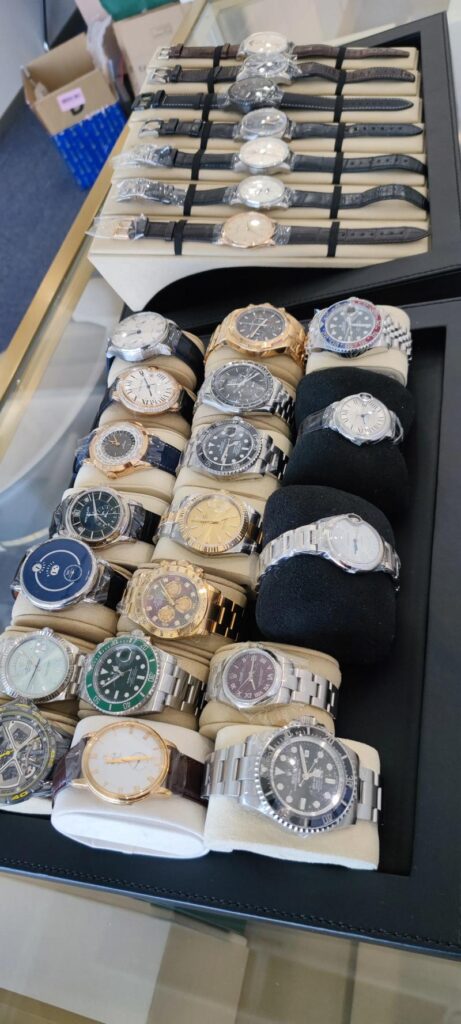
Even among headline-grabbing results like the Bao Dai, the split-seconds Ref. 4113, or the Ref. 6062, it’s usually the simpler models that dominate the conversation. Daytona. Submariner. GMT-Master. These aren’t just watches anymore. They’ve turned into symbols, almost shorthand for the entire brand.
To understand why, you have to go back to Hans Wilsdorf. When he founded Rolex, the idea of a “luxury wristwatch” didn’t really exist. That’s not an exaggeration. Wristwatches were still proving themselves. Rolex wasn’t trying to impress anyone socially. It was trying to survive harsh conditions. Early innovations like the Oyster case and chronometer certification weren’t marketing tricks. They were solutions. You can read more about the Oyster case evolution here: https://www.rolex.com/en-us/about-rolex-watches/oyster-perpetual
And that practical DNA stuck. Even now, it hasn’t disappeared. That’s part of the tension that makes Rolex interesting. It sits somewhere between utility and status, and honestly, it doesn’t fully belong to either side.
By the 1970s, things started to shift. Gold became more prominent. Dual-time functions appeared. The watches began signaling success more openly. But Rolex never abandoned its roots entirely. That balance, or maybe that contradiction, is what fuels today’s demand.
Now, demand is… intense. Steel sports models can be nearly impossible to get at retail. Waiting lists stretch on. Prices on the secondary market often climb well above official pricing. You either wait, build relationships, or pay up. There’s no easy way around it.
Nostalgia plays a big role here. Vintage Rolex watches carry a certain romance. A Submariner isn’t just a dive watch. It hints at exploration, risk, a different era. The same goes for the replica Rolex Daytona. There’s something about wearing one that feels like stepping into a story. That might sound a bit dramatic, but collectors genuinely feel it.
And provenance? That changes everything. When a watch is tied to someone like Paul Newman, it stops being just a watch. It becomes a cultural artifact. His Daytona is the perfect example. You can explore that story here: https://www.phillips.com/article/17893019/paul-newman-daytona-record
Modern forces have amplified all of this. Social media, watch blogs, collector forums, auction marketing. It’s a feedback loop. Interest grows, prices rise, visibility increases, and then interest grows again. During the pandemic, this effect accelerated. People weren’t traveling. They weren’t spending on experiences. So they turned to tangible assets. Watches benefited. Rolex, more than anyone.
That’s when the “investment” narrative really took off. Some collectors don’t like that idea. They think it misses the point. Maybe they’re right. Still, the market doesn’t lie. Liquidity is real. A steel Rolex today can often be flipped tomorrow, sometimes at a profit. Not always, but often enough to matter.
Interestingly, gold models are having a moment again. For a long time, they sat in the shadow of steel sports watches. Now they’re coming back. Data from the Bloomberg Subdial Watch Index shows rising interest, especially since 2022. You can check the index methodology here: https://www.bloomberg.com/subdial-watch-index
A few factors are driving that. Gold prices have surged. Design trends are shifting toward bolder aesthetics. And cultural visibility helps too. When someone like Zayn Malik wears a yellow-gold Day-Date, it doesn’t go unnoticed.
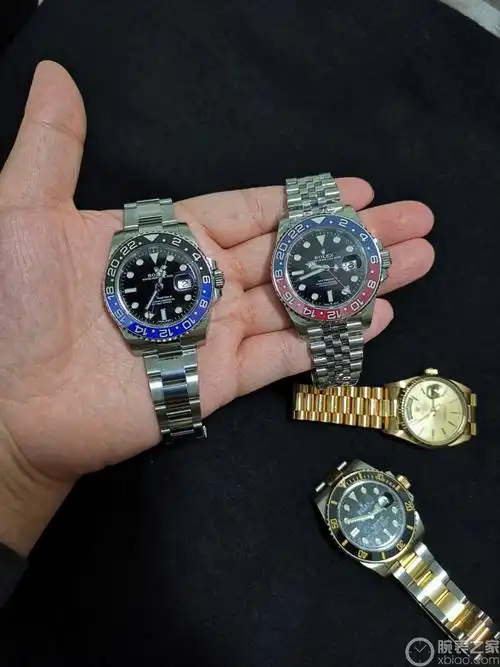
Here’s a quick snapshot of the shift:
| Category | Past Preference | Current Trend | Key Driver |
|---|---|---|---|
| Steel Sports Models | Dominant | Still strong | Scarcity and liquidity |
| Gold Models | Underappreciated | Rising sharply | Gold prices and visibility |
| Two-Tone Watches | Often overlooked | Gradual resurgence | Changing taste |
Rolex itself has adjusted. Price increases, especially in gold models, reflect not just branding but raw material costs. Gold rose significantly through 2025 and into 2026. That matters. Tariffs and global trade pressures add another layer of uncertainty. Prices aren’t rising randomly.
And then there’s the idea of “firsts.” Early production runs. Subtle variations. These details are becoming more important. Collectors are paying attention. It’s almost like watching history form in real time.
Still, all this analysis can miss something simpler. Rolex works because of design. Pure and consistent design. Think about the Rolex Submariner. Introduced in 1953, it essentially defined the modern dive watch. Rotating bezel, luminous markers, clean legibility. That template still holds.
There’s a good technical overview here: https://www.hodinkee.com/articles/rolex-submariner-history
What’s interesting is how little it has changed. Decades pass, and the updates are incremental. Almost obsessive. Slight case adjustments. Dial refinements. Movement upgrades. Nothing drastic. That’s intentional. Rolex doesn’t chase novelty. It refines continuity.
More than 70 years later, the Submariner still feels complete. Not outdated. Not nostalgic. Just… finished.
In the end, Rolex isn’t really about steel versus gold or simple versus complicated. It’s about meaning. That might sound vague, but it’s accurate. People aren’t just buying materials or mechanics. They’re buying into something that feels lasting.
And maybe that’s the real reason those auction prices keep climbing. Not because the watches changed. But because what they represent did.